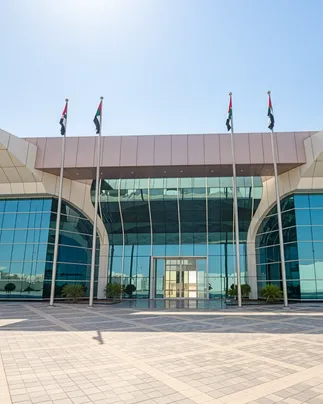

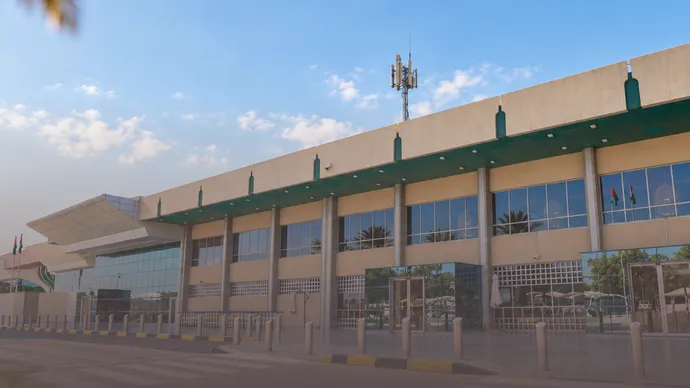
Tahnoun International Airport (AAN), recently renamed to honour the late Sheikh Tahnoun bin Mohammed Al Nahyan, continues to strengthen the city’s connectivity to the world, recording 14,724 aircraft movements in the third quarter of 2026, an increase of 17.1 per cent compared to the same period last year.
Year-to-date, aircraft movements reached 48,558, up 17.9 per cent year-on-year, while cargo volumes have grown at an even faster pace. AAN handled 2,335 tonnes of cargo in Q3 2026, a 63 per cent increase year-on-year, bringing the year-to-date total to 7,335 tonnes, up 110.4 per cent compared with the same period in 2025. By the end of November, scheduled passenger frequencies through AAN are expected to reach 16 flights per week, an increase of 60 per cent.
The growth in traffic at AAN is the result of a strategic location that provides convenient multi-modal access to key aviation hubs and ports across the UAE and wider GCC region. The airport sits within a 1.5-hour drive of Zayed International Airport (AUH), with 5,000,000 sqm of prime serviced freezone plots in close proximity, offering businesses the opportunity to operate at the centre of this expanding network of air, sea and rail connections.
Additionally, AAN’s connectivity will be further enhanced with the expected completion of Hafeet Rail in 2028, connecting the airport to the Etihad Rail network in the UAE and Sohar Port in Oman.
Ahmed Juma Al Shamisi, CEO of Abu Dhabi Airports, said: “The growth we are seeing at Tahnoun International Airport (AAN) reflects the strength of its location and the role it plays in connecting Al Ain to the UAE and the wider GCC region. With convenient access to the country’s major aviation hubs and ports, and Hafeet Rail set to link the airport to the Etihad Rail network and Sohar Port, AAN is well positioned to support the continued growth of trade and travel through Al Ain.”