
The Abu Dhabi Registration Authority (ADRA), the Abu Dhabi Department of Economic Development’s (ADDED) arm to develop and regulate the business sector, has announced initiatives as part of its ongoing efforts to support investors, drive strong growth in the industrial sector, and enhance its competitiveness regionally and globally.
The initiatives include extending the validity of new industrial licences, Rowad, from two to three years before the start of construction phase, as well as extending licences under construction from three to four years until production. These measures provide greater flexibility for investors during the establishment and construction stages.
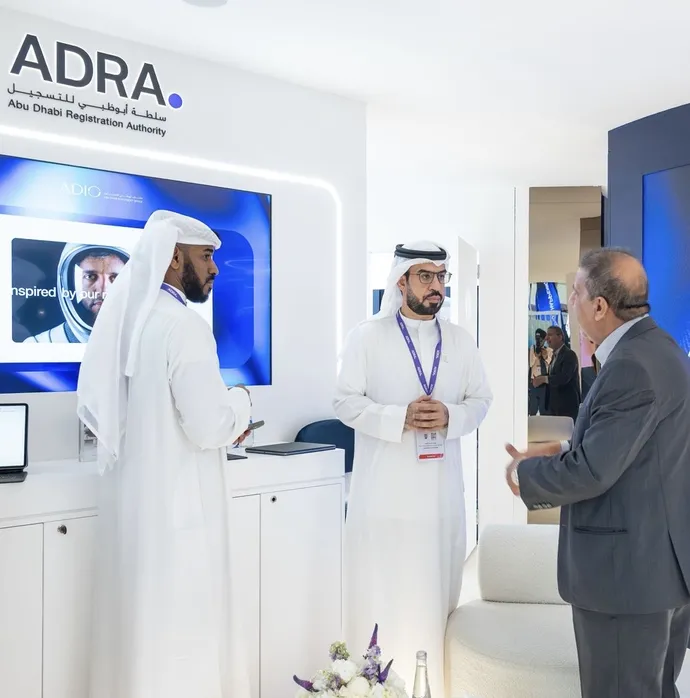
During participation at the 5th edition of Make it in the Emirates, His Excellency Hamad Sayah Al Mazrouei, Undersecretary of ADDED, said: “The industrial sector in Abu Dhabi is witnessing strong growth, reflecting the effectiveness of proactive policies, regulations, and programmes designed to stimulate growth in this vital sector, which is a key pillar in the emirate’s strategy to accelerate economic growth and diversification. In line with our role to provide an enabling environment for business and investment, we have conducted extensive discussions with investors and enterprises across various sectors to devise suitable solutions to challenges.
We are committed to provide simplified procedures, advisory services, and enhanced processes to enable investors to benefit from Abu Dhabi’s thriving economy. These initiatives are a result of constructive dialogue with investors and in-depth studies to keep pace with economic developments and support the industrial sector to achieve the objectives of Abu Dhabi’s Industrial Strategy (ADIS), which aims to strengthen the emirate’s position as the region’s most competitive industrial hub.”
Extending Rowad, the initial licence to establish an industrial establishment, from two to three years before the construction phase will empower entrepreneurs to complete the requirements for establishing their industrial projects on well-planned and sustainable foundations, by granting them additional time for planning and execution.
This step aims to provide investors with adequate time for financial planning and securing funding, reduce pressure during the establishment phase, and improve project quality by allowing sufficient time for studies and preparation. This increases the sustainability of industrial projects, supports local supply chains by facilitating the entry of new factories into the market, and enhances Abu Dhabi’s attractiveness for new industrial investments.
The extension of under construction industrial licences to four years is designed to support investors during the development and setup phase by providing a more flexible timeframe to complete projects in line with best operational standards. This reduces challenges related to construction delays, supply chains, or financing, increases project readiness for production, and further strengthens industrial investment and Abu Dhabi’s competitiveness.
By the end of 2025, the total number of industrial licences in Abu Dhabi rose to 3,197, marking a 15 per cent increase compared to 2,784 licences in 2024. The number of licences moving to construction phase increased 37 per cent to 206 compared to 150 in 2024, while the number of new industrial establishments moving to full operation increased by 53 per cent to reach 115 compared to 75 in 2024.
His Excellency Mohamed Munif Al Mansoori, Director General of ADRA, said: “These indicators reflect the strength and attractiveness of Abu Dhabi’s business sector for industrial investors. We reaffirm our commitment to meet investors’ needs, continuously enhance licensing, compliance, and governance procedures, and attract local and international investments to capitalise on the opportunities offered by the dynamic economy and contribute to achieving Abu Dhabi’s strategic priorities.”
His Excellency emphasised that ADRA is forging ahead with its efforts and initiatives to ensure a supportive business environment, relying on accurate data, studies, and ongoing engagement with investors and stakeholders across various economic sectors.