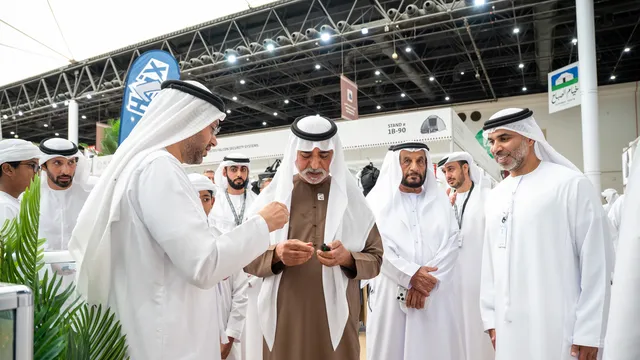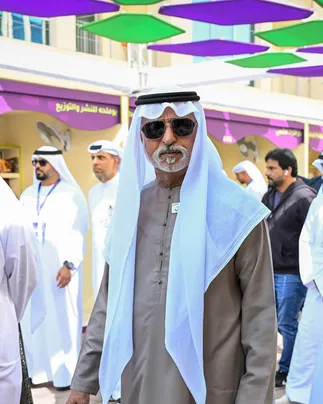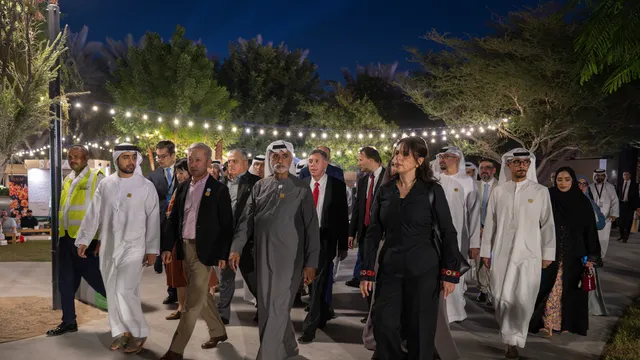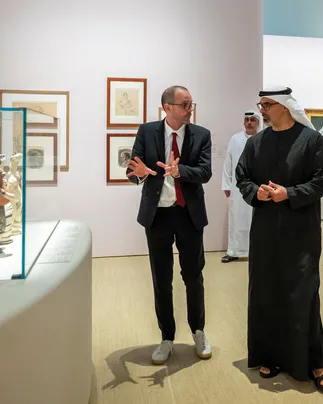

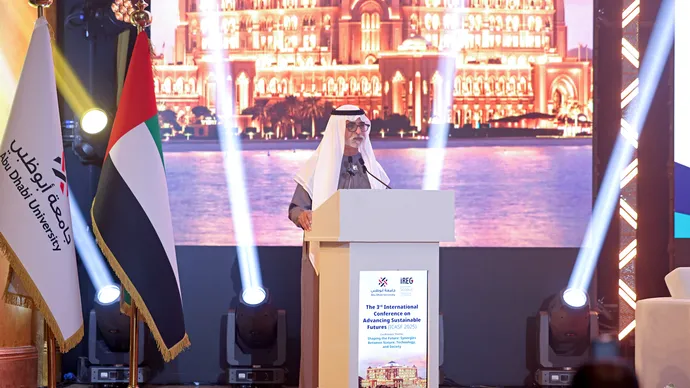
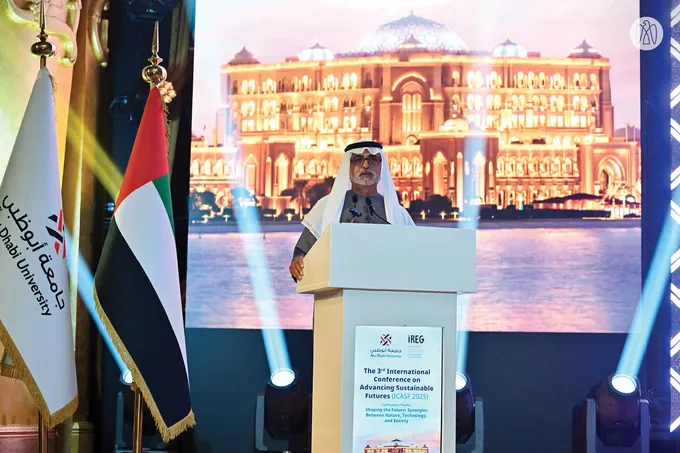
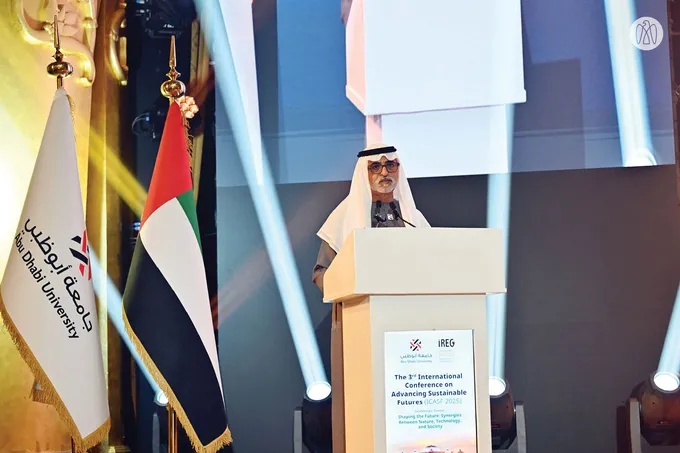
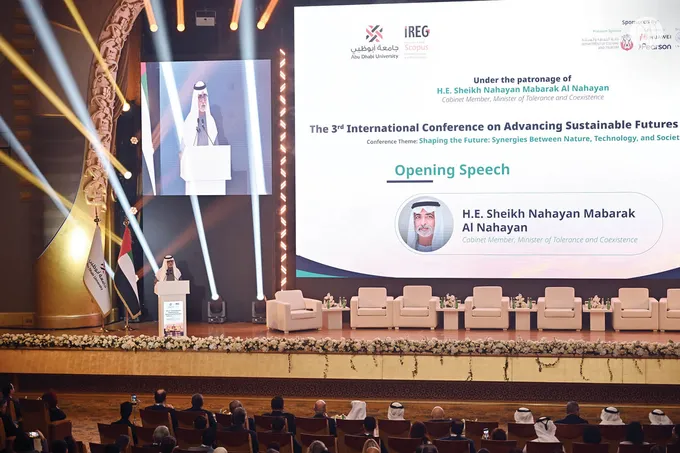
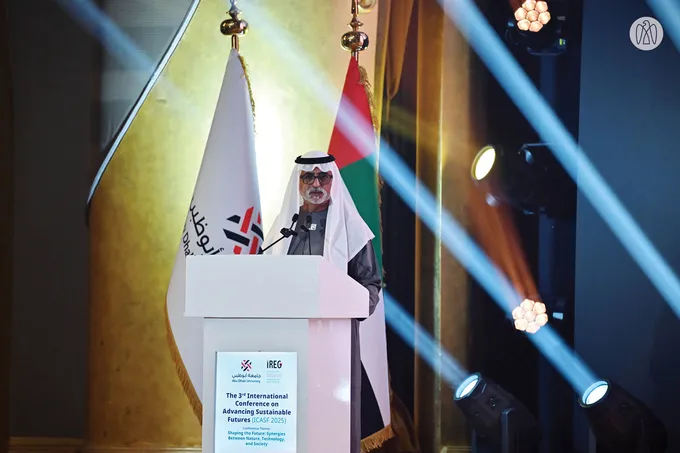
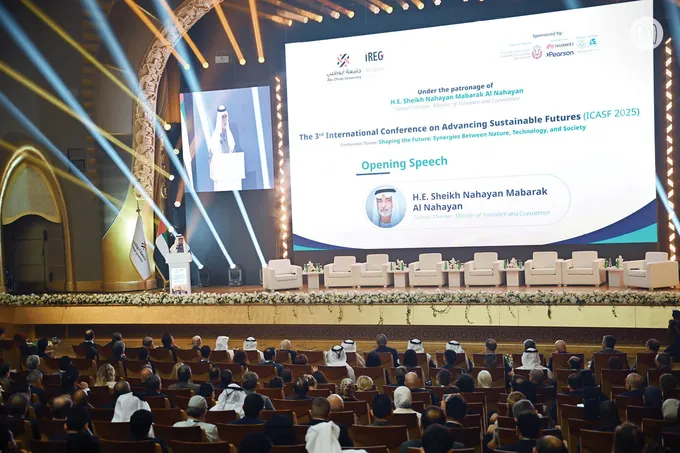
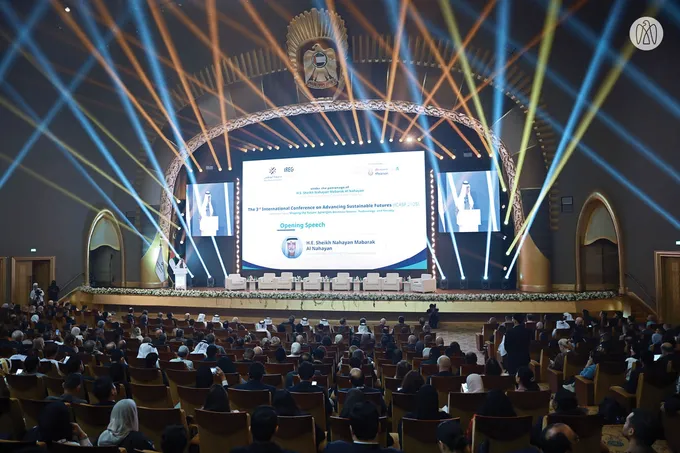
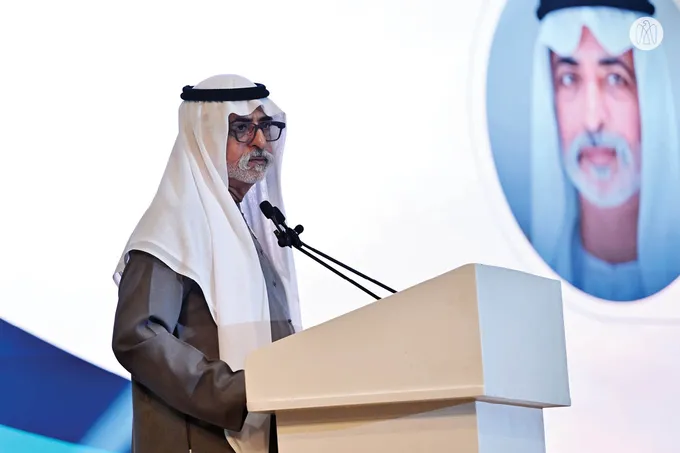
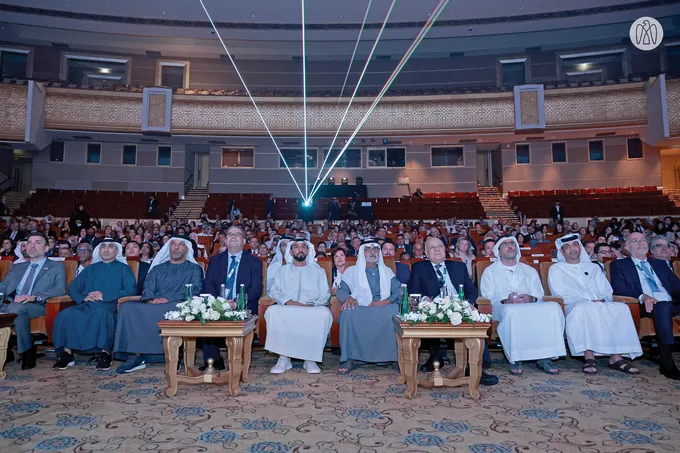
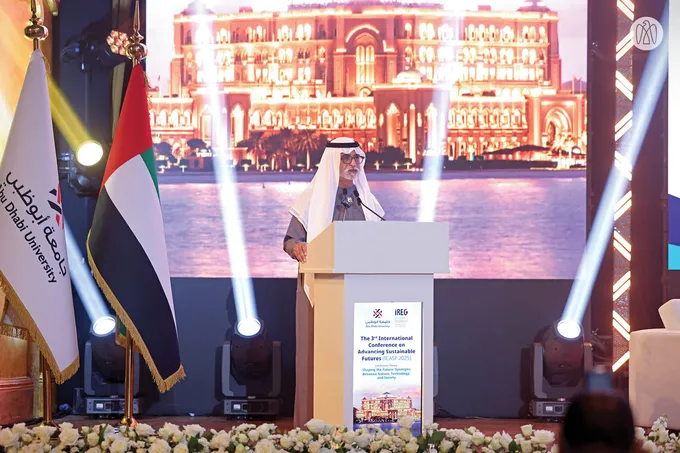
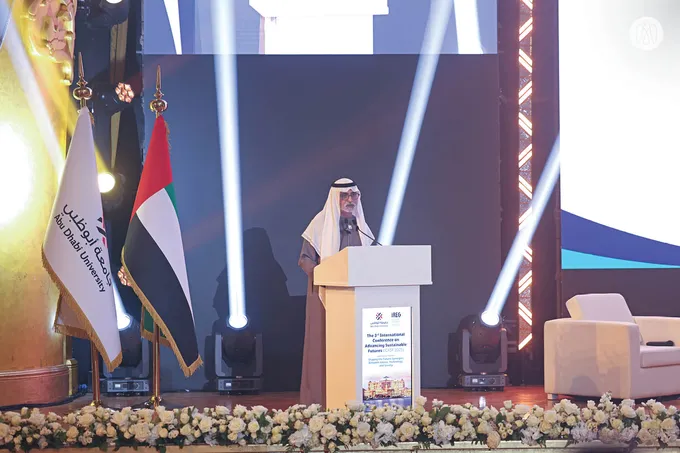
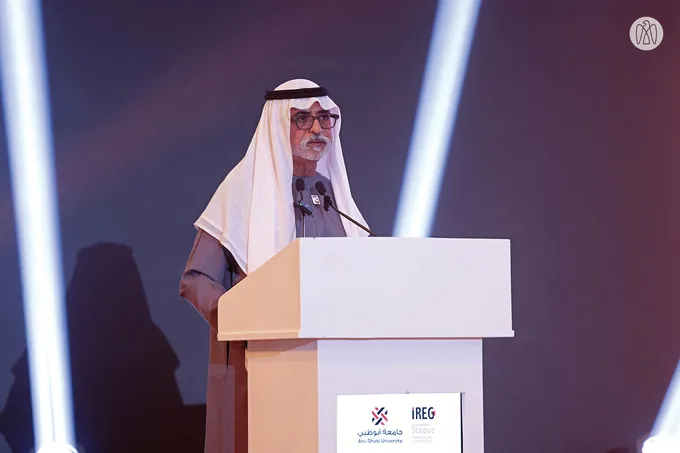
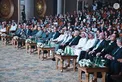
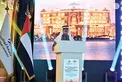
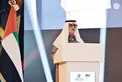
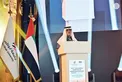
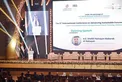
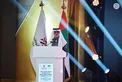
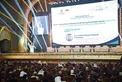

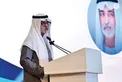

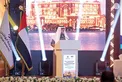


His Excellency Sheikh Nahyan bin Mubarak Al Nahyan, Minister of Tolerance and Coexistence and Vice Chairman of the Board of Trustees of Abu Dhabi University, has inaugurated the 3rd International Conference on Advancing Sustainable Futures (ICASF 2025), organised by Abu Dhabi University in collaboration with the International Observatory for University Rankings and Academic Excellence. The event is being held at Emirates Palace Mandarin Oriental in Abu Dhabi.
The conference is convened under the theme Shaping the Future: Integrating Nature, Technology, and Society, and highlights the role of innovation in supporting sustainability and enhancing quality of life. ICASF 2025 has welcomed more than 75 experts participating to discuss advanced technologies – from artificial intelligence to renewable energy – and their role in supporting sustainable development, promoting inclusion, and building societies capable of adapting to global changes.
His Excellency noted that the presence of this diverse group of thinkers, scientists, and innovators is a source of inspiration and pride, pointing to the remarkable international participation from leading universities, institutions, and scientific centres around the world, and added that the efforts of the participants represent a valuable contribution to improving human life and advancing a prosperous and sustainable future for humanity.
His Excellency explained that the conference theme — Shaping the Future: Integrating Nature, Technology, and Society — reflects the UAE’s deep-rooted vision of sustainability, affirming that since its founding in 1971 by the late Sheikh Zayed bin Sultan Al Nahyan, the Founding Father of the UAE, the nation has followed a path that prioritises human development and quality of life. His Excellency noted that His Highness Sheikh Mohamed bin Zayed Al Nahyan, President of the UAE, is guiding the nation today toward advanced levels of social and economic well-being.
His Excellency stressed that under its wise leadership, the UAE has become a global pioneer in nature conservation, educational advancement, scientific research, and technological innovation. His Excellency also emphasised the need to view the world as an integrated system in which nature, technology, and society work in harmony. Knowledge, innovation, education, research, and environmental protection, His Excellency said, represent key pillars of the nation’s progress.
His Excellency explained that the conference topics are broad and complex, requiring creativity and global cooperation, and affirmed that the scientific discussions held during the event will contribute significantly to building a sustainable future. His Excellency then outlined four main areas of focus for the conference sessions.
First, ensuring high quality in the work of universities and colleges: His Excellency stated that the sessions dedicated to university rankings and academic excellence offer important opportunities to raise standards, enhance global partnerships, and enable universities to better serve their students and communities.
Second, promoting environmental sustainability: His Excellency noted that achieving a sustainable society requires effective resource management, environmental protection, improved social services, balanced urban planning, smart infrastructure, renewable energy, cultural identity, and preservation of heritage. His Excellency emphasised that future economic development depends on achieving genuine sustainability.
Third, the role of science and technology in improving quality of life: His Excellency highlighted that the UAE has shaped much of its modern identity in the digital era and has become a global leader in artificial intelligence and a hub for innovation and innovators. His Excellency noted that the digital age requires continuous investment in advanced technology.
Fourth, the social and ethical dimensions of innovation: His Excellency stressed that technological innovation impacts not only the economy but also society and its values and asked how the opportunities created by technology can be maximised while also advancing inclusivity, addressing ethical concerns, and ensuring safety and sustainability.
His Excellency affirmed that ICASF 2025 embodies the principle that sustainability is not merely a slogan but a global working approach that balances economic, social, and environmental needs, respects the requirements of diverse societies, and strengthens peace and prosperity. His Excellency expressed his appreciation to Abu Dhabi University, the speakers and the participants, wishing them a successful conference and a pleasant stay in the UAE.
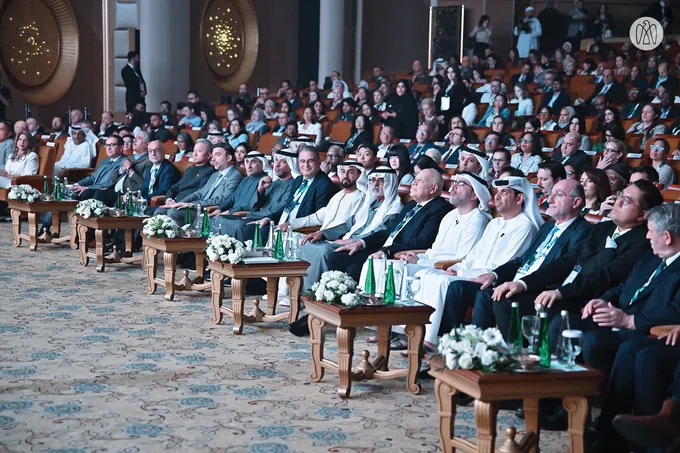
The opening ceremony was attended by His Excellency Dr Amr Ezzat Salama, Secretary-General of the Association of Arab Universities; Eng Sharif Al Olama, Undersecretary of the Ministry of Energy and Infrastructure for Energy and Petroleum Affairs; Dr Ali Saeed bin Harmal Al Dhaheri, Chairman of Abu Dhabi University’s Board of Directors; Dr Arif Sultan Al Hammadi, Executive Vice President of Khalifa University; Dr Ahmed Al Raisi, Vice Chancellor of United Arab Emirates University; Professor Waldemar Siwiński, President of the International Observatory for University Rankings and Academic Excellence; Professor Liu Zhining, Chairman of the BRICS Business Council; Dr Mohamed Al Aisati, Vice President for Data Services and Analytics at a leading global publishing house; and Professor Patrizia Lombardi, Vice Rector for Sustainability at Politecnico di Torino in Italy; along with several academic leaders and officials from the UAE and abroad.
Dr Ali Saeed bin Harmal Al Dhaheri emphasised the importance of Abu Dhabi University hosting this conference, which reflects the directives of the UAE’s leadership on embedding a culture of sustainability and highlighting notable national initiatives launched in recent years. He noted that these initiatives have positioned the UAE as a global model in developing legislation and regulations that ensure sustainability and safeguard the environment, natural resources, and biodiversity for future generations.
He expressed Abu Dhabi University’s appreciation for the international collaboration at ICASF 2025, which reflects the university’s distinguished standing and leadership at the local, regional, and international levels. He also highlighted the university’s team of specialised sustainability researchers, in addition to its strategic partnerships with local, regional and international institutions engaged in sustainability-related projects and forward-looking initiatives.