
Zayed National Museum, the national museum of the UAE, announces its inaugural temporary exhibition, Tracks Through Time: The Camel in Society, Trade and Art. Opening in early December 2026, it is the world’s first exhibition to comprehensively explore more than 7,000 years of camel history.
Tracks Through Time examines the camel’s role in society, trade networks and creative cultures of the UAE and the wider region, from the earliest evidence of wild camels on this land to the living traditions practised today.
The exhibition will include wild camel bones excavated from the archaeological site of Baynunah in Abu Dhabi dating to the Neolithic Period (4,500-4,000 BCE), on loan from Natural History Museum Abu Dhabi, alongside remains from Al Sufouh in Dubai dating back to the Bronze Age (2,500-1,300 BCE) loaned from Dubai Culture and Arts Authority. This is the first time that detailed evidence of the now-extinct wild camel species will be presented to the public.
Dr Peter Magee, Director of Zayed National Museum, said: “We are excited to present our first temporary exhibition, which celebrates the camel's profound significance in Emirati culture and the broader story of the UAE. Tracks Through Time: The Camel in Society, Trade and Art represents our mission at Zayed National Museum to deepen understanding of the UAE through original research and meaningful public engagement. Grounded in the latest scientific research and built through collaboration, the exhibition traces the unique archaeological evidence for the presence of wild camels in the UAE thousands of years ago, initial camel domestication in the UAE, camel-human bonds and daily life, culminating in the prestige of Al Hejin camel racing and Mazayna beauty competitions.”
Also included are domesticated camel bones from the site of Saruq Al Hadid in Dubai, dating back to the Iron Age (2,600–550 BCE) on loan from Dubai Culture and Arts Authority. These remains provide some of the earliest evidence in the world for the taming and rearing of wild camels into a domesticated species.
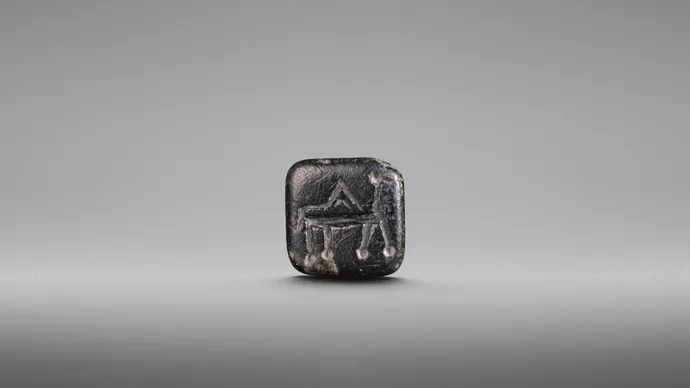
Object highlights include a rare children’s book detailing the different species of camel and their uses dating to the 1840s, examples of rock art depicting camels from Fujairah dating to 3,000 years ago and representations of camels in UAE postage stamps throughout the years. Audiovisual elements will present rare archival photography and film footage alongside recordings of Taghrooda and Alheda'a (camel calling), oral traditions inscribed on UNESCO's Representative List of the Intangible Cultural Heritage of Humanity, as well as oral testimonies from camel herders and community members.
The exhibition will be accompanied by a public programme featuring workshops, activities, tours and family activities as well as a standalone retail offering inspired by the themes of the exhibition.