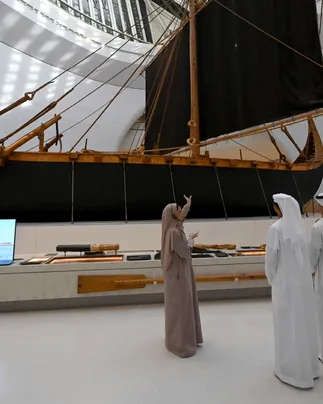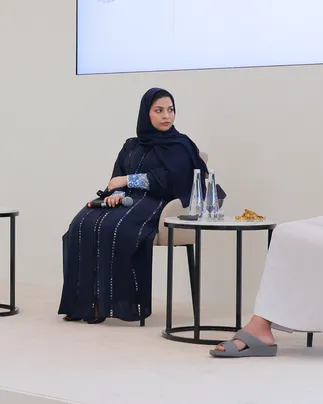

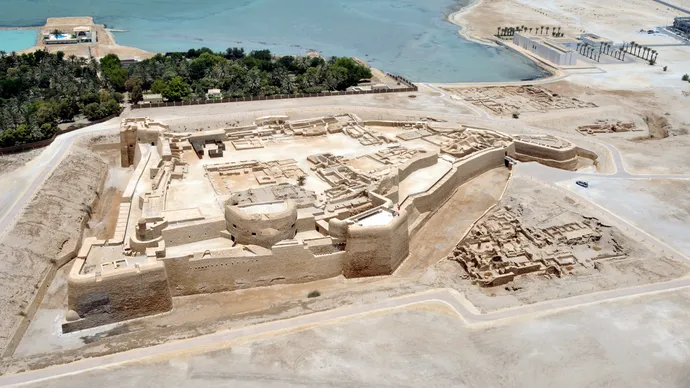
Zayed National Museum,in collaboration with the Bahrain Authority for culture and antiquities and Bahrain National Museum, and with the support of the Department of culture and tourism- Abudhabi has launched The Magan–Dilmun Dialogues: Qal’at al-Bahrain Excavation.
Commencing from this month, the project will bring together archaeologists and museum specialists from the UAE and Bahrain for a six-week excavation at Qal’at al-Bahrain (Bahrain Fort), a UNESCO World Heritage Site and one of the most important archaeological sites in the Arabian Gulf. The collaboration will advance research into the region’s shared past while providing a new generation of archaeologists and museum professionals opportunities to develop their expertise through practical fieldwork.
The Magan–Dilmun Dialogues builds on a history of archaeological collaboration between the UAE and Bahrain. When the UAE’s Founding Father, the late Sheikh Zayed bin Sultan Al Nahyan, and his brother Sheikh Shakhbut bin Sultan Al Nahyan, the Ruler of Abu Dhabi at the time, learned of archaeological discoveries made by Danish archaeologists in Bahrain, they invited the team to conduct excavations in Abu Dhabi. This led to the excavations at Umm an-Nar in 1959 and the beginnings of archaeological research in the Emirates.
His Excellency Mohamed Khalifa Al Mubarak, Chairman of the Department of Culture and Tourism – Abu Dhabi, said: “Archaeology helps us understand how the civilisations of the Arabian Gulf developed and how our communities have been connected through centuries of trade, exchange and shared experience. The Magan–Dilmun Dialogues builds on a history of archaeological collaboration between the UAE and Bahrain, bringing our field and museum teams together to deepen our understanding of these connections and exchange knowledge and expertise. More than six decades after the first joint excavations helped lay the foundations for archaeological research in the UAE, this initiative carries that legacy forward, supporting the next generation of heritage professionals and reaffirming our commitment to preserving the region’s heritage for future generations.”
His Excellency Shaikh Khalifa bin Ahmed bin Abdullah Al Khalifa, President of the Bahrain Authority for Culture and Antiquities, said: “We share longstanding historical and cultural ties with the United Arab Emirates, which we are committed to strengthening through closer cooperation across various fields, particularly archaeological research and excavations.”
His Excellency also praised the role of the Zayed National Museum in documenting the region’s shared history, contributing to a deeper understanding of its past and the civilisations that have shaped the region over the centuries.
He added: “We are pleased that Qal’at al-Bahrain (Bahrain Fort) has been selected as the site for the first joint archaeological and educational initiative between the two countries, given its historical significance to the ancient Dilmun civilisation, which flourished in Bahrain thousands of years ago, and its status as the first site in the Kingdom of Bahrain to be inscribed on the UNESCO World Heritage List.”
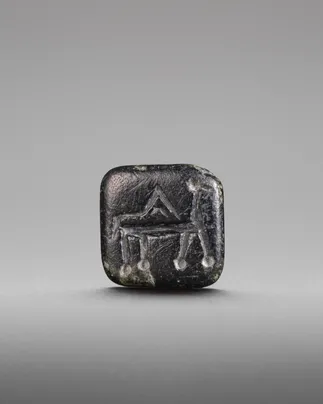
The project will focus on deep-level excavation, documentation and scientific analysis of the Dilmun period, which dates back to the Bronze Age. The findings are expected to shed new light on the historical, cultural and economic connections between Dilmun and Magan, the ancient names associated with Bahrain and the UAE respectively. The research will contribute to a deeper understanding of the networks of trade and exchange that connected communities across the Arabian Gulf thousands of years ago. Following the field season, the findings will eventually inform a joint temporary exhibition at Zayed National Museum in Abu Dhabi and Bahrain National Museum in Manama, showcasing key archaeological discoveries and exploring the ancient trade networks of the Dilmun civilisation.
Dr Peter Magee, Director of Zayed National Museum, said: “Archaeological research is central to how Zayed National Museum develops and presents the story of the UAE and its connection to the wider region. Our relationship with Bahrain National Museum extends beyond this excavation, encompassing the exchange of collections and knowledge that enriches how we interpret this shared history.
“What makes The Magan-Dilmun Dialogues particularly valuable is the opportunity to follow the archaeological process from excavations and scientific analysis through interpretation and exhibition. The findings will inform exhibitions in both Abu Dhabi and Manama, allowing audiences in each country to engage with new discoveries and the evidence behind our understanding of the past.”
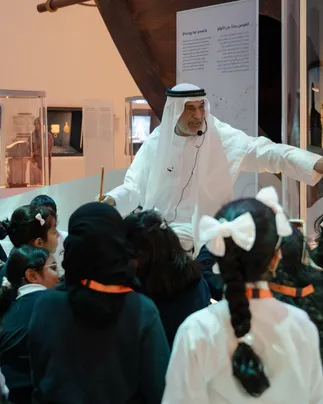
The excavation will also serve as a field school, providing early-career archaeologists and young museum professionals from the UAE and Bahrain with specialised, hands-on training alongside senior field specialists. Participants will gain practical experience in stratigraphic excavation, archaeological recording and documentation, finds processing and conservation, environmental archaeology and the interpretation of archaeological data. They will be able to apply this knowledge in their work at their respective museums, strengthening archaeological and curatorial expertise across both institutions.
The collaboration aligns with Zayed National Museum’s role as a global research institution. Through initiatives such as the Zayed National Museum Research Fund, which has supported 18 international researchers since 2023, the museum supports field research, laboratory analysis and archaeological studies across the UAE, the Arabian Peninsula and South Asia.
Grounded in the legacy and values of the UAE’s Founding Father, the late Sheikh Zayed bin Sultan Al Nahyan, particularly his commitment to preserving heritage, The Magan–Dilmun Dialogues reflects his belief in knowledge sharing, regional cooperation and safeguarding heritage for future generations. His deep interest in archaeology helped establish the foundations for archaeological research in the UAE, a legacy that continues to inform Zayed National Museum’s work and its commitment to advancing knowledge of the UAE and the wider region.